It has been quiet on here for quite a while – the reason being that my wife and I have now moved back to the UK. After 17 years living and working in the Basel area, I am currently going through some sort of ‘expat re-entry shock’. However, we have landed in a half-decent place, so I have no reason to complain.
That’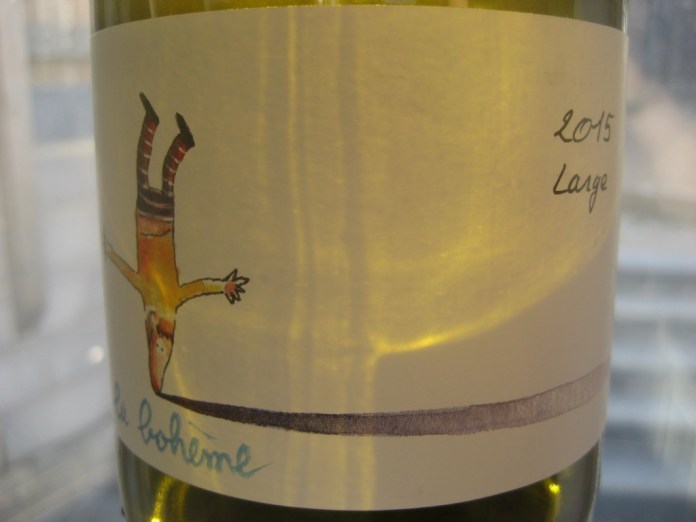 s enough personal stuff. Time to get this blog started again.
There is a small wine shop situated not far from our new abode that specialises in what it refers to ‘craft wine’. I had never seen the term before visiting their website, though I suppose the people who coined it logically had the craft beer trend in mind. In practice, what they sell are ‘organic, biodynamic and natural wines’. The store, located in a former railway station, really is tiny. Actually, it’s more like a stand than a store. Bottles with labels ranging from the quirky to the wacky dominate what little shelf space there is.
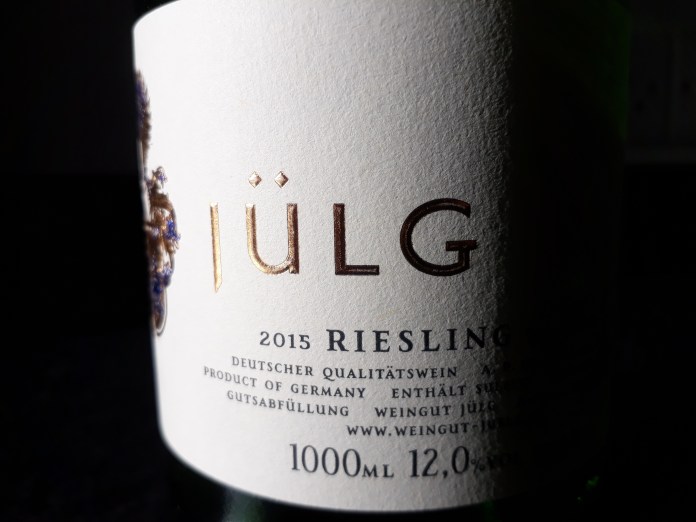
They sell a Riesling priced normally at around 9.50 euros in Germany. Thanks to UK duty and the abysmal exchange rate into pound sterling, the wine’s retail price here is a whopping £17. Even the price in Switzerland is cheaper in comparison. I’ll let you make your own conclusions about that.
Nevertheless, I still wanted to purchase at least one bottle. However, it had sold out by the time I visited the store a second time with exactly this intention in mind. Instead, I left with a bottle of this similarly priced substitute.
Domaine de la Sénéchalière (Marc Pesnot), La Bohème 2015, Vin de France, Bretagne sud (pays nantais)
This is something completely different. Made from the Melon de Bourgogne varietal that is commonly grown in the Muscadet appellation, to which Marc Pesnot’s property belongs geographically, if not legally.
Golden or almost pale amber in appearance. Initially almost like Christmas on the nose, with honeyed orange peel reminding me of Basler Läckerli, as well as hints of ginger and Seville marmelade. This is an evolving aroma … soon I get Sherry-like notes along with raspberry jam. Similar characteristics on a dry palate, but then a cidery element emerges. This is reminiscent of the meady flavours of Pierre Frick’s ‘natural wines’. Certainly an acquired taste, and certainly very vin nature. The texture is slightly chewy. The wine does not offer much to me in acidity, but yeasty secondary notes offset this to a certain extent, providing some complexity.
Fast-forward to the next day. “Do all ‘natural wines’ taste of apple mead?” I ask myself as I start sipping again. Yet, these cidery notes start to recede all of a sudden. Now we have pear and something more tropical on the nose. Melony on the palate, then a minerally sensation takes over. Acidity – almost non-existent yesterday – has come belatedly to the party. Admittedly, a meady suggestion continues to linger in the background, but I’m starting to get it now. The finish lingers for a good minute. Ultimately, this is a very interesting find. A no-brainer really, but this wine evidently needs a lot of air.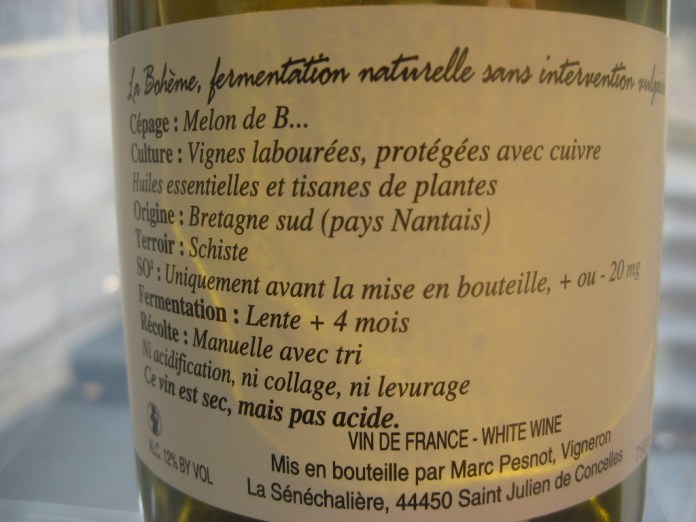

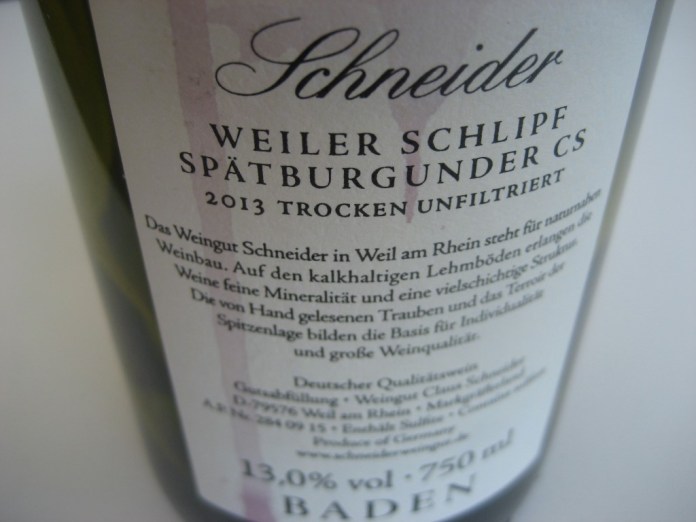
 While my parents were over here for a long weekend before Christmas, my father and I cycled over into Germany to get some wines for the festive period from Weingut Schneider in Weil. (Don’t worry, no smuggling was involved; the duty-free limit for Switzerland was recently raised to five litres per person, so we took back six bottles each.) For red, we chose their Spätburgunder “CS” 2013 – a lovely Pinot Noir by anyone’s standards. More about that one at a later date. For white, we opted for the entry-level Weissburgunder from 2013. As Susanne Hagin-Schneider said to us, this wine is now the finished article. By this, she meant that a couple of years in bottle had rounded the wine. Its counterpart from 2015 betrayed a bit of youthful clumsiness in comparison.
 ith pithy citrus hints on the nose.
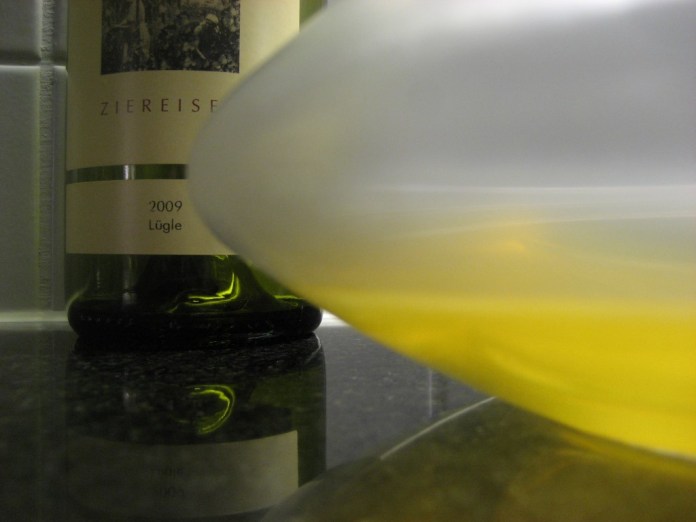 These short notes are going purely on memory. After decanting the wine for about three hours, we drank it over dinner and then as an accompaniment to David Attenborough’s latest documentary, Planet Earth II.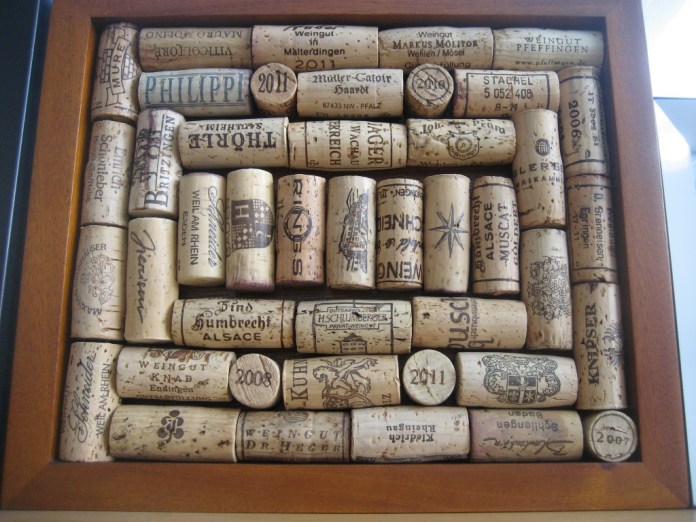
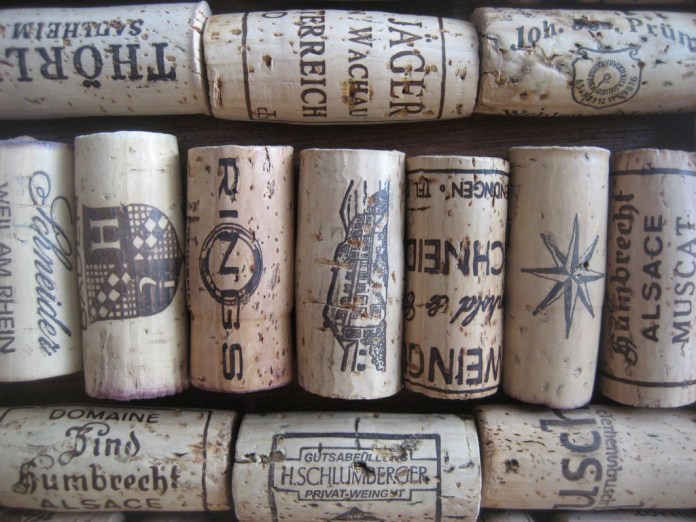 ecided to put it on the mantlepiece instead.
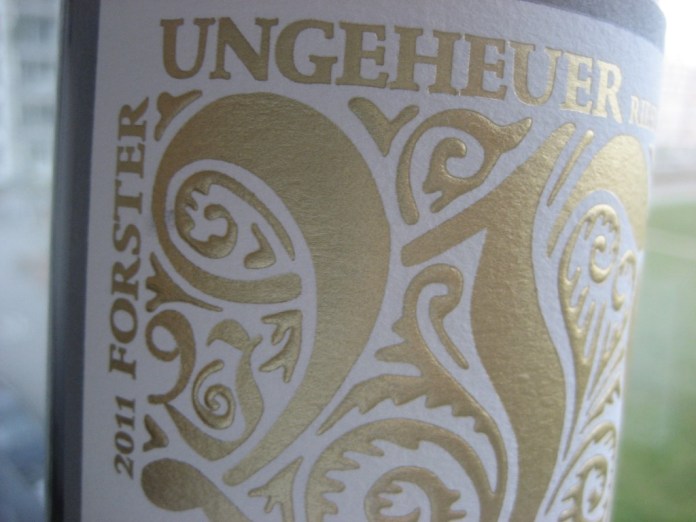 s an example from 2011 – still from the early(ish) years.
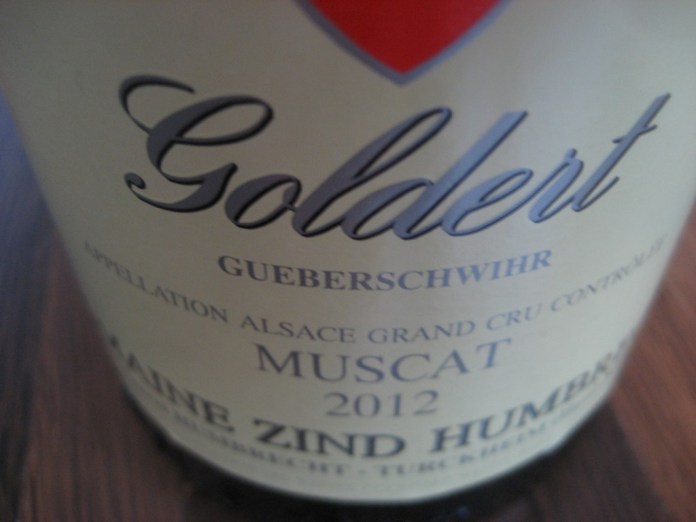 I’m on a bit of an Alsace trip at the moment. Made a beeline for
  wife’s parents visited us here in Basel recently. We took them to the picturesque village of Éguisheim in Alsace one day. It’s a short and easy ride away from Colmar railway station – well, ‘easy’ if you have a car , which we don’t. Buses do run from Colmar station, but timetables are sparse to put it mildly. We scheduled our journey to arrive in Colmar just before the only bus between early morning and early evening left for Éguisheim at 12.25 p.m. However, we still almost missed our connection because the bus that we thought went to Éguisheim was now going in a completely different (and unannounced) direction; the bus driver said we should take a different bus that was leaving at the same time but from a departure bay about 100 metres away.
 te peach on the tongue. Sure, it’s a dry wine by my non-German standards at least, but there is a generosity there that belies its modest 12.5 per cent alcohol. Barely medium in body, and still very young, clean, refreshing and pure – but with the suggestion of an inner, minerally core that augurs well for the future. Very drinkable now, but I think this wine will begin to blossom in five years or so.
 winetext