
 After passing my WSET (Wine & Spirit Education Trust) Level 2 course in Wine in 2005 in Basel, I finally got round to doing Level 3 in spring this year. Fourteen years later.
The seven-week course consisted of six daytime classes on the first floor of a pub in Bristol, plus an extra day for the examination. There were only seven of us in the class to begin with, and we were quickly reduced to six after one participant – a chirpy Welshman – dropped out for family reasons.
We used INAO tasting glasses during the course. INAO stands for the ‘Institut national de l’origine et de la qualité’ – a body that regulates protected designations of origin in France. The INAO also defined what it regards as the universal wine tasting glass. The wife and I are no stranger to the INAO glass, having accumulated a veritable stockpile of these receptacles from visits to wine festivals in countless villages from Basel to Freiburg over the years. For WSET purposes we had to pour around 50 ml of wine, which was more or less to the point on the glass where the bowl is just starting to reach its widest point. This was particularly useful when judging colour intensity. For example, place a glass containing 50 ml of red wine over a sheet of paper with writing on it: if you’re unable to see the print when looking at the wine from directly above, then you can safely conclude that the wine is deep purple, ruby, garnet or whatever.
The INAO tasting glass has other practical uses. For example, we tend to host quite a few fondue/raclette cheese feasts during the colder months. The size of these glasses means that the wine never gets too warm before you drink – although you end up pouring more wine as a result. Both fondue and raclette also involve a lot of physical interaction. You don’t want your precious Gabriel/Zalto/Schott Zwiesel/Riedel/Sophienwald glassware (tick where appropriate) caught up in a tabletop blur of arms, hands, plates and cutlery. The diminutive INAO glass, on the other hand, is perfect in this environment.
I used them again only the other night – and wrote my brief notes more or less according to the WSET Level 3 Systematic Approach to Tasting Wine®:
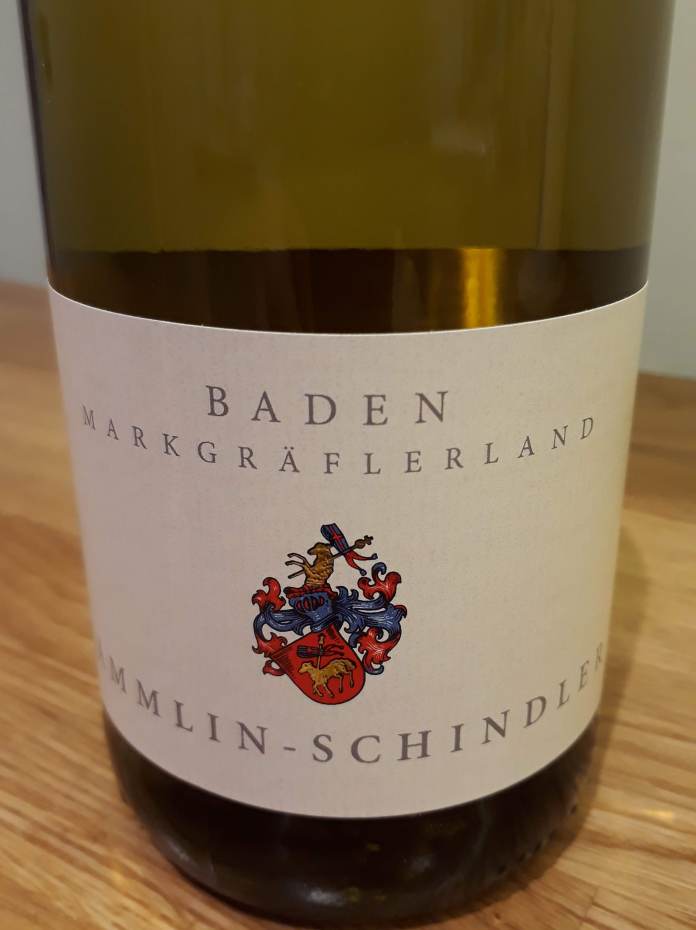
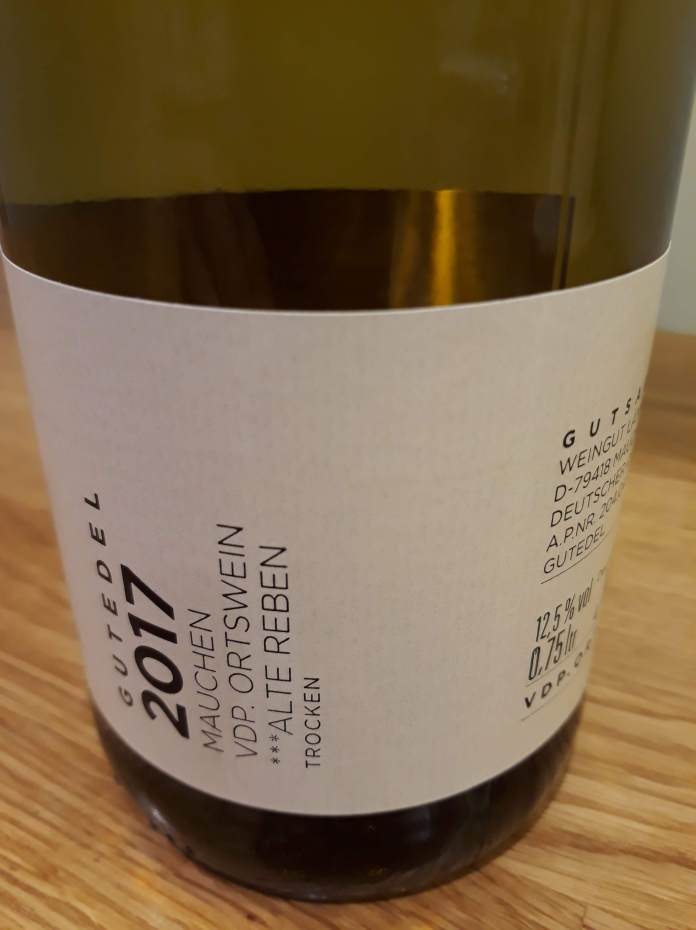
Lämmlin-Schindler, Gutedel Alte Reben trocken, VDP.Ortswein, Mauchen, 2017, Markgräflerland, Baden
Medium lemon-green colour.
Aromas of pear, green apple and honeysuckle, along with hints of quince and maybe candied lemon. Medium intensity on the nose.
Dry on the palate, with medium (-) acidity, medium alcohol, medium body, medium (+) intensity of flavour – showing much the same fruit characters as on the nose, but with greater expression. The finish is medium.
Quality level: good, if not very good. Based on ‘B-L-I-C’ (balance, length, intensity, complexity), I think this wine has very good balance and intensity. Length and complexity are middle of the road, but this is no shame for wine still costing just under 10 euros. Objectively, ‘good’ is the very least I would give it. The wine would certainly rate higher if I were being more subjective (the only level above ‘very good’ is ‘outstanding’). Herein lies my criticism of the WSET approach: you are analysing the wine like a doctor would analyse an x-ray. There is no room for emotion. Great in the exam room, not so good for a wine blog.
In truth, this is a picture-perfect Gutedel with lovely pure fruit expression and more intensity and urgency than most others of its kind. It makes me reminisce about Markgräflerland and its culinary and vinous delights.
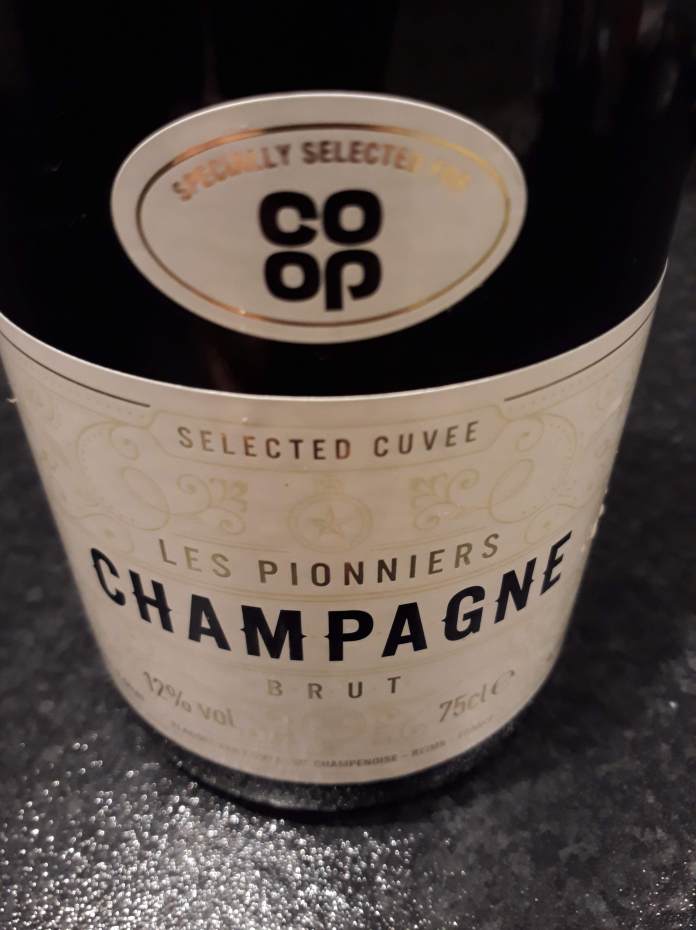 Overall, I find the wine selection in most UK supermarkets to be rather lopsided. There is still a heavy focus on industrially produced wines from the English-speaking New World that are named after some poor animal’s tail (take your pick) or ‘carefully sourced’ from some paddle-less creek. Another gripe – although this could be said for the English-speaking wine industry as a whole – is that the cult of the winemaker also reigns supreme, i.e. you will stress at all costs that whoever ‘crafted’ the wine is also ‘heading up winery operations’. However, even in these troubled times, there are still some affordable little gems that are able to speak for themselves eloquently enough.
 After ‘Das Kreuz’, here is the ‘lesser’ of the Bordeaux blends that the Rings brothers produce from the ‘Das Schwarze Kreuz’ vineyard situated to the south of Freinsheim. Incidentally, Andreas and Steffen Rings have now relocated their winemaking operations from a backstreet near the village railway station to a spanking new site in the middle of this vineyard.
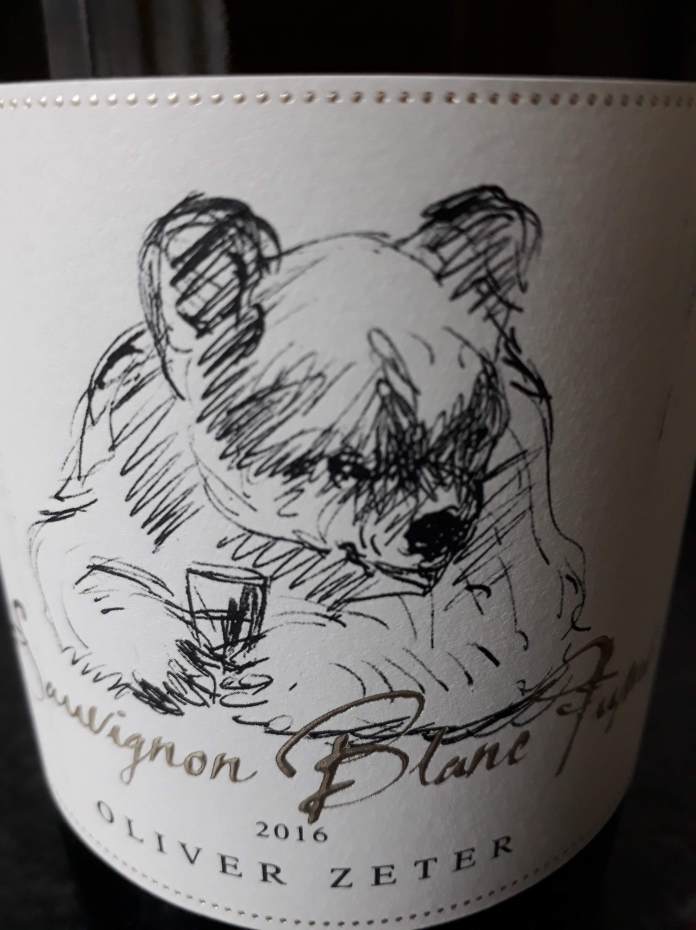 Oliver Zeter has been on my ‘wine radar’ for several years – but you could say that he is responsible for some of the best wines I’ve never drunk. Time to change this.
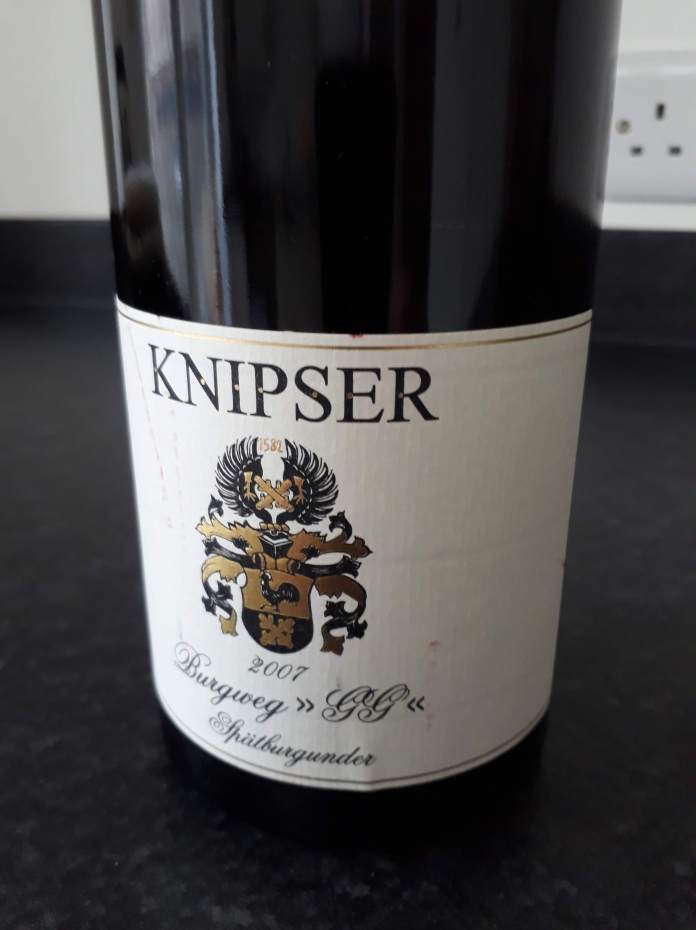 This wine comes from the prize south-facing ‘Im Großen Garten’ plot of the Burgweg grand cru, overlooking the Eckbach stream that originates in the Palatinate Forest (Pfälzer Wald). By all accounts, Knipser tweaked the style of their Pinots from 2008, focusing increasingly on elegance and finesse at the expense of alcohol levels. With its substantial 14% abv, this Pinot Noir comes across at first sight as a relic from yesteryear.
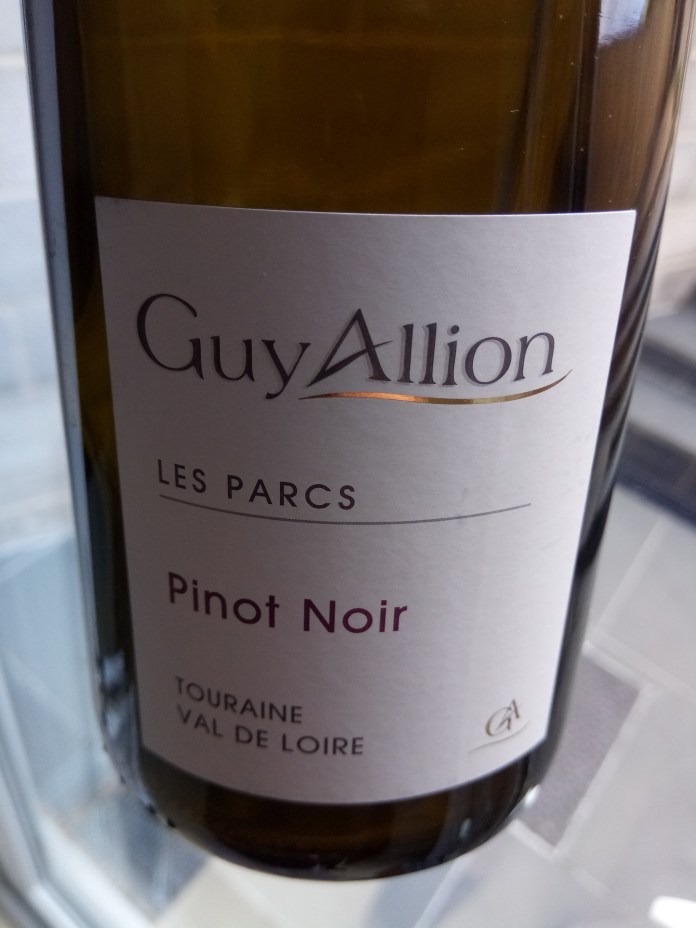 Last Saturday, and a trip to England’s smallest city, Wells. What a lovely place. Even the misly, drizzly conditions failed to detract from its charm. The elegant architecture of the cathedral – inside and outside – was really worth a look.
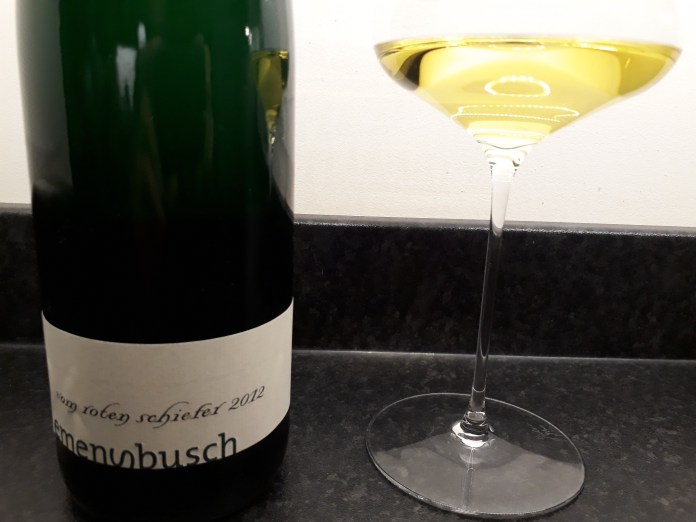 Given that I translated a whole chapter about Clemens Busch and his wines in
 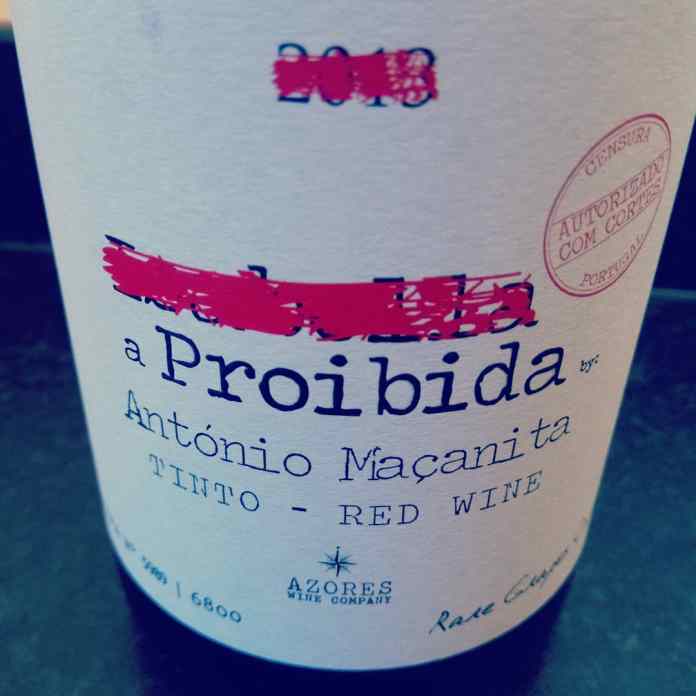 The following wine comes from Pico, a volcanic island in the Portuguese Atlantic archipelago of the Azores. Isabella is the grape – a native American varietal that belongs to the
 I’m currently in catch-up mode. Here is a random bottle I picked up a few months ago.
 winetext